
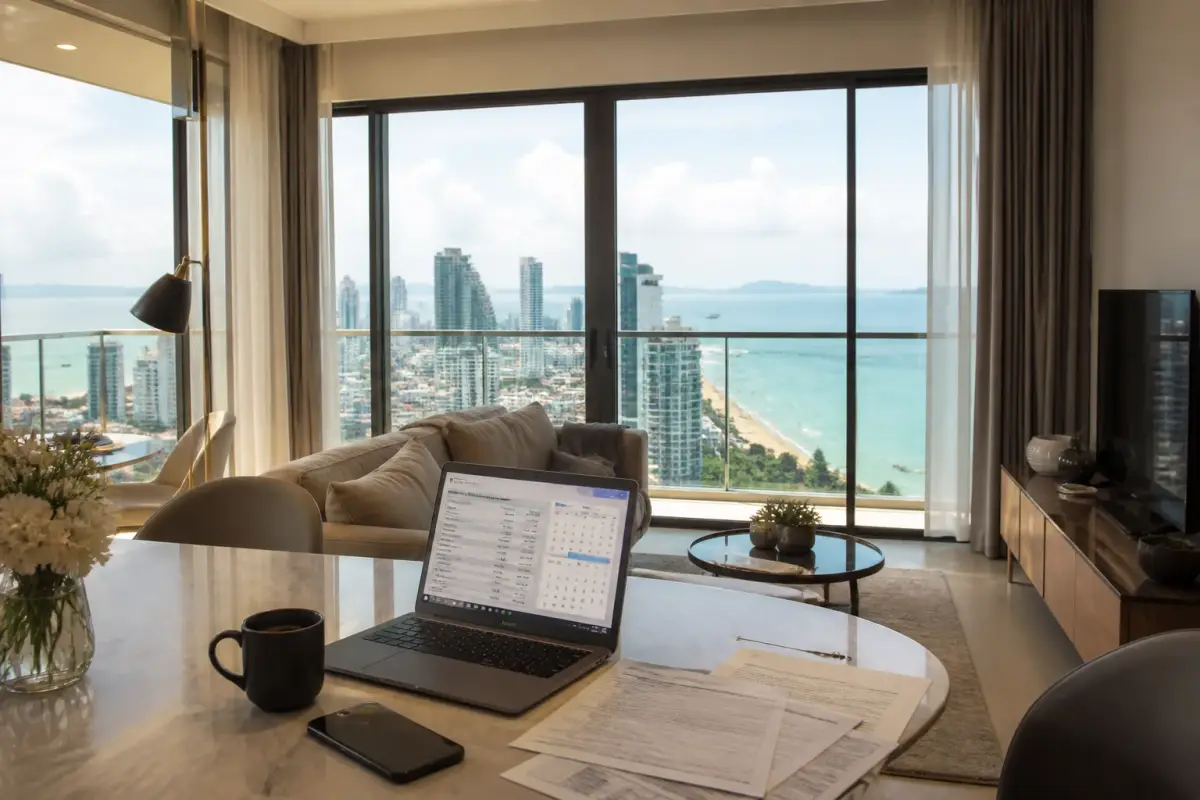
You can own and run a Pattaya condo from abroad. The practical setup is straightforward: arrange a reliable way to pay common fees and utilities on time (Thai transfer, a trusted payer, or a manager who invoices you), write down who holds keys and access cards, and name a local contact — or a property manager — who can open the door for technicians and viewings when you are not here. If you rent the unit, add a simple tenant system: a written lease, a clear deposit rule, and dated move-in/out photos. Budget common-area fees plus electricity and a maintenance reserve (air-conditioners are the usual repair), and plan to visit about once or twice a year — or less if your local support is strong. Treat the condo like a small operating asset, not a set-and-forget purchase, and most day-to-day problems stay manageable from overseas.
Still deciding whether to buy? See our complete guide for foreign buyers, the 2026 condo buying overview, and the pre-deposit checklist. The sections below go into each part of the operating setup in more detail.
Bills and recurring costs
Costs vary by building and whether the unit is vacant or occupied. Use these as planning figures, then replace them with your real invoices.
- Common-area fees (CAM): Often about 40–80 THB per sqm per month in mid-market buildings. A 35 sqm unit at 55 THB/sqm is roughly 1,925 THB/month. Many buildings invoice quarterly or annually — late payment can block facilities or create transfer headaches.
- Sinking fund: Usually a one-time amount at transfer for major works. Ask what big projects are planned and keep a small capital reserve.
- Electricity: Highest variable cost. Vacant units still need occasional AC or dehumidifying to fight mould.
- Water, internet, cleaning, insurance: Modest alone, easy to forget from abroad. Confirm who pays what in any tenancy.
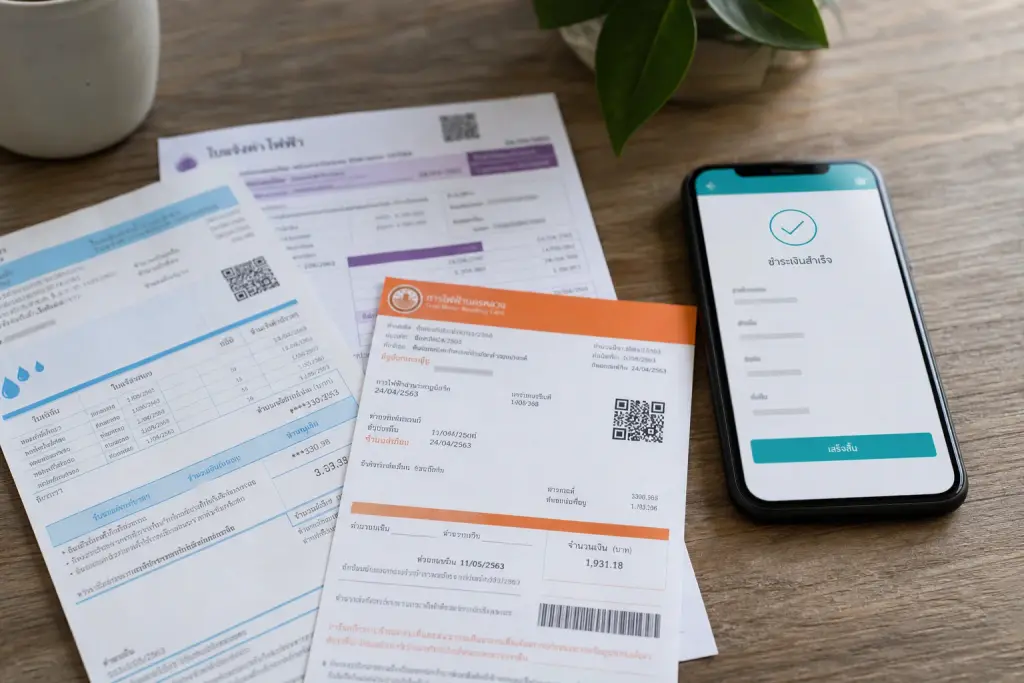
Paying from abroad: Agree a method before you leave — Thai bank transfer, a trusted person against invoices, or a manager who invoices you monthly. Keep PDF receipts. Set calendar reminders for CAM and prepaid electricity. A dead meter in a vacant unit creates humidity damage before you notice.
Tenants, contracts, deposits and keys
Choose long-term (usually simpler for remote owners) or short-term (more income, more ops, and many buildings restrict hotel-style use). Viewings should go through someone you trust — not spare keys handed to strangers.
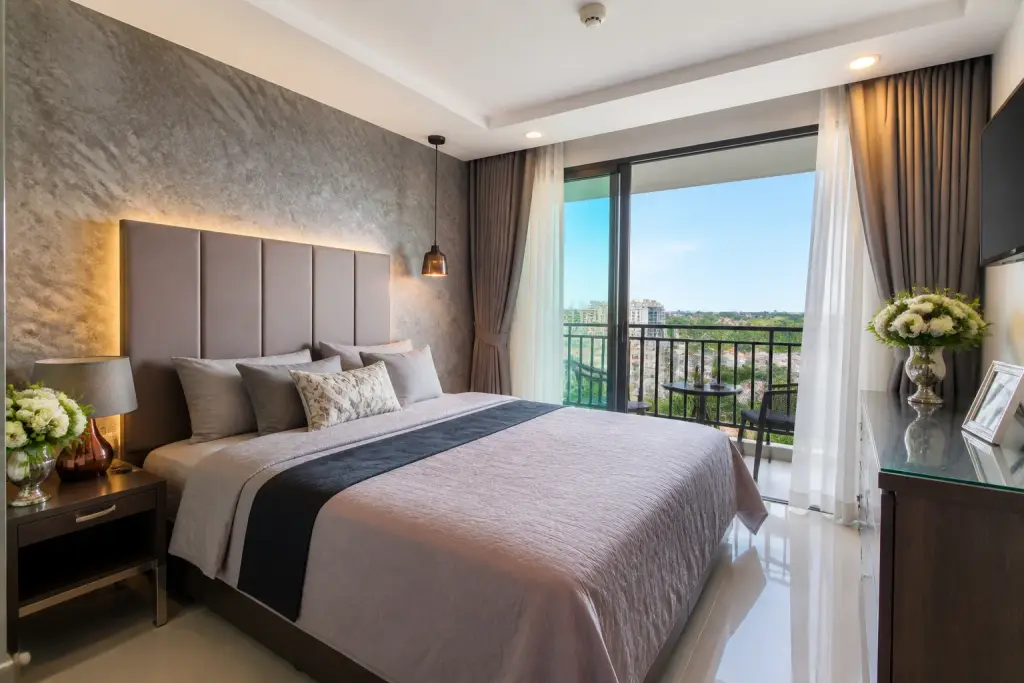
- Lease: Written terms for rent, deposit, dates, who pays utilities vs CAM, notice periods, and early exit. Attach a furniture inventory with photos. Keep an English understanding of any Thai contract.
- Deposits: Often one to two months’ rent. Do dated move-in and move-out inspections before refund decisions.
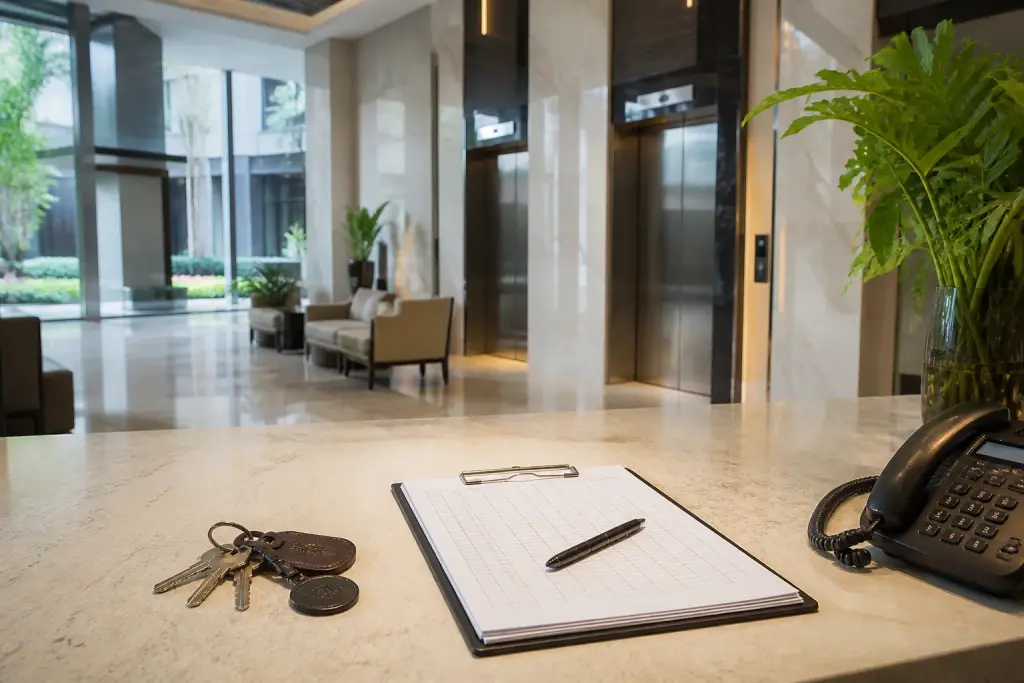
- Keys: Tenant holds unit keys during the lease; a labelled spare with the building or a named local contact for emergencies. Never “whoever is free.” Pearl can help with practical handovers; full-time rental ops may still need a dedicated manager.
Repairs and maintenance
Split emergencies (active leaks, electrical smell, no power for a tenant, broken locks, failed AC in peak heat) from planned work (filters, deep cleans, paint, servicing).
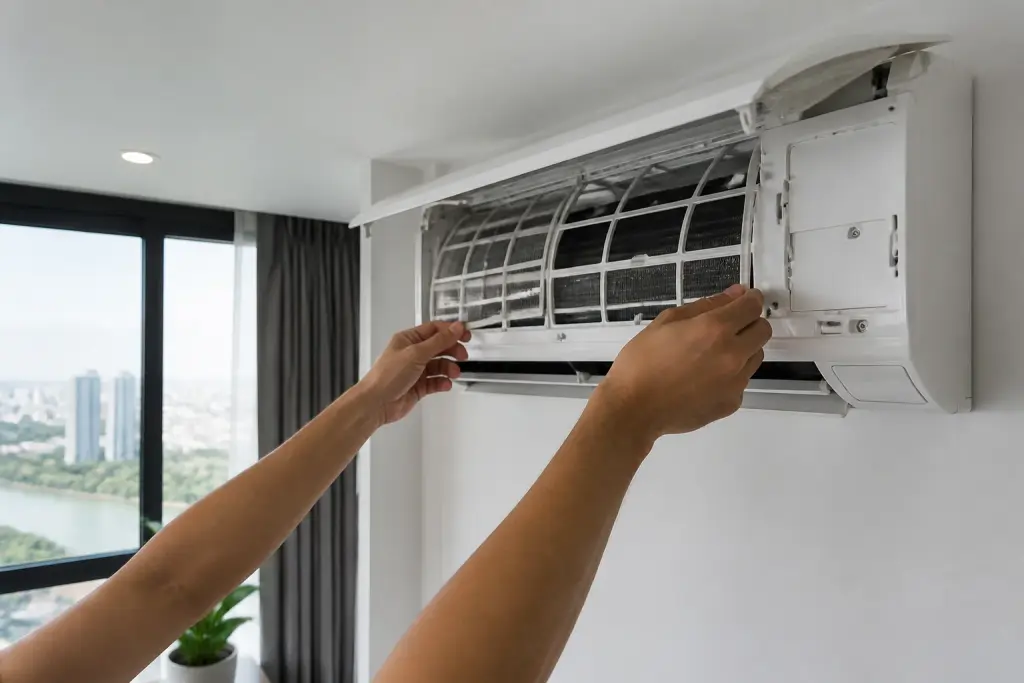
- Call first: Juristic office for common areas and approved contractors; your local contact for in-unit issues; specialists for AC, plumbing, electrics.
- Spending limit: Let your contact approve small repairs with photos; require a quote above a set THB amount. Delay turns small leaks into ceiling repairs.
- Budget: Keep an annual maintenance reserve. Air-conditioners are the most common ticket in Pattaya — save model numbers and warranties.
Owner visits
Self-use owners often visit once or twice a year. Investors with strong local support may visit less, but a yearly inspection still pays off. Vacant units need someone to air them and check for mould every few weeks.
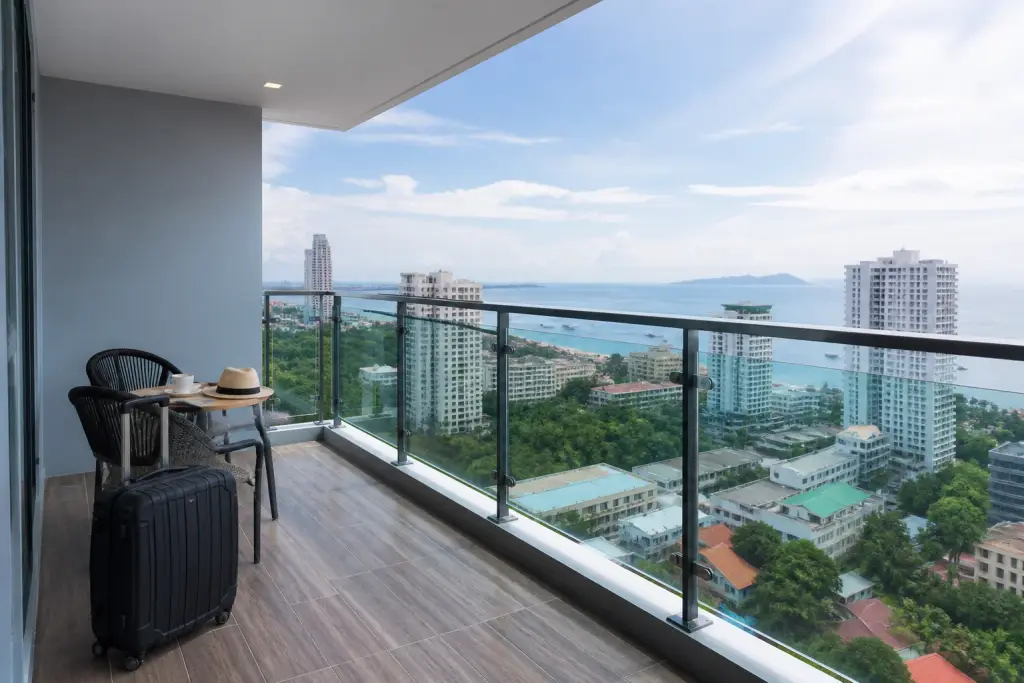
On each trip, check: water stains and silicone, AC performance, electrics, balcony drains, furniture and appliances, keys and access cards, juristic fee statement and upcoming works, and neighbourhood changes that affect rent or noise.
Before you leave: cleaning and power/internet confirmed; vacancy AC/dehumidifier guidance; valuables secured; one-page house card with Wi-Fi and emergency numbers for guests or tenants.
How much local support do you need?
- Self-managed with a helper — you decide; a cleaner or friend opens doors and pays routine bills.
- Agent-assisted lettings — help finding tenants and contracts, then you still need repair cover.
- Full property management — marketing, tenants, collections, maintenance coordination for a fee — best if you rarely visit or hold several units.
Get any management scope in writing: reporting, repair authority, fees, and how deposits are held.
FAQ
Can I own a Pattaya condo and never visit?
Yes — if bills, access, and maintenance are covered locally. “Never visit” with no support is how vacant units quietly deteriorate.
Who pays common fees when the unit is rented?
Usually the owner pays CAM. Tenants typically pay electricity and water. Put the split in the lease.
Do I need a property manager?
Not always. Personal use plus a trusted helper can be enough. If you rely on rental income from abroad, professional management is often worth the fee.
Is the deposit for a tenant the same as a purchase reservation deposit?
No. Tenant security deposits sit in the rental relationship. Purchase reservations hold a unit with a developer and follow different rules.
Talk to Pearl Property Pattaya
Buying with remote ownership in mind — or already owning and want a clearer setup? WhatsApp +66 33 135 053 or pearlpropertythailand.com. Tell us building, size, and personal use vs long-term rent.
General information as of September 2026 — not legal, tax, or financial advice. Confirm fees and rules with your juristic person.
Remote Pattaya Condo Owner Checklist
Bills, keys, tenants, repairs and visit punch lists — the operating checklist remote owners actually need.

关于作者
Peer JohannsenPeer Johannsen is the Managing Director of Pearl Property Pattaya, an agency working in the Pattaya market since 2015. He advises in German and English, and buyers who want the legal side of a Thai purchase explained in their own language can ask him to walk through it: what foreign quota means for a condominium, where a leasehold structure is used instead of freehold, and what happens between reservation and transfer of ownership. The agency as a whole advises in English, German, Thai, French and Chinese, and covers condos, houses, villas, land and new developments across Jomtien, Pratumnak, Wongamat, Naklua, East Pattaya, Huai Yai, Na Jomtien and Bang Saray — whether you are looking at an off-plan unit in a new project or a resale condo. If you would rather have that first conversation in German, ask for Peer when you contact the office.


