Pet-Friendly Condos in Pattaya: What Buyers Should Know
Many Pattaya condos restrict or ban pets. How to find a genuinely pet-friendly building, what the house rules usually say, and how to bring your pet to Thailand.
Many Pattaya condominiums restrict pets or ban them entirely. The rules are set by each building's regulations and can be changed by a vote of the owners. If you want to live with a dog or cat, check the pet policy before you buy, not after. This guide from Pearl Property Pattaya explains what the rules usually cover, how to verify them, and how to bring a pet to Thailand.
Why the Building Rules Matter More Than the Brochure
Under the Condominium Act, each building is governed by its own regulations, managed by the juristic person and changeable at an owners' general meeting. As a result:
- "Pet-friendly" means different things. Some buildings allow pets in all units. Others allow only small pets, or pets on certain floors or in a dedicated pet zone.
- Rules can change. A building that allows pets today can tighten its rules later if owners vote for it. Buildings designed for pets from the start (pet lifts, pet zones) tend to keep their policy.
- Rentals are stricter. Even in a pet-friendly building, many landlords do not accept pets. Buying gives you more control.

What Pet Policies Typically Cover
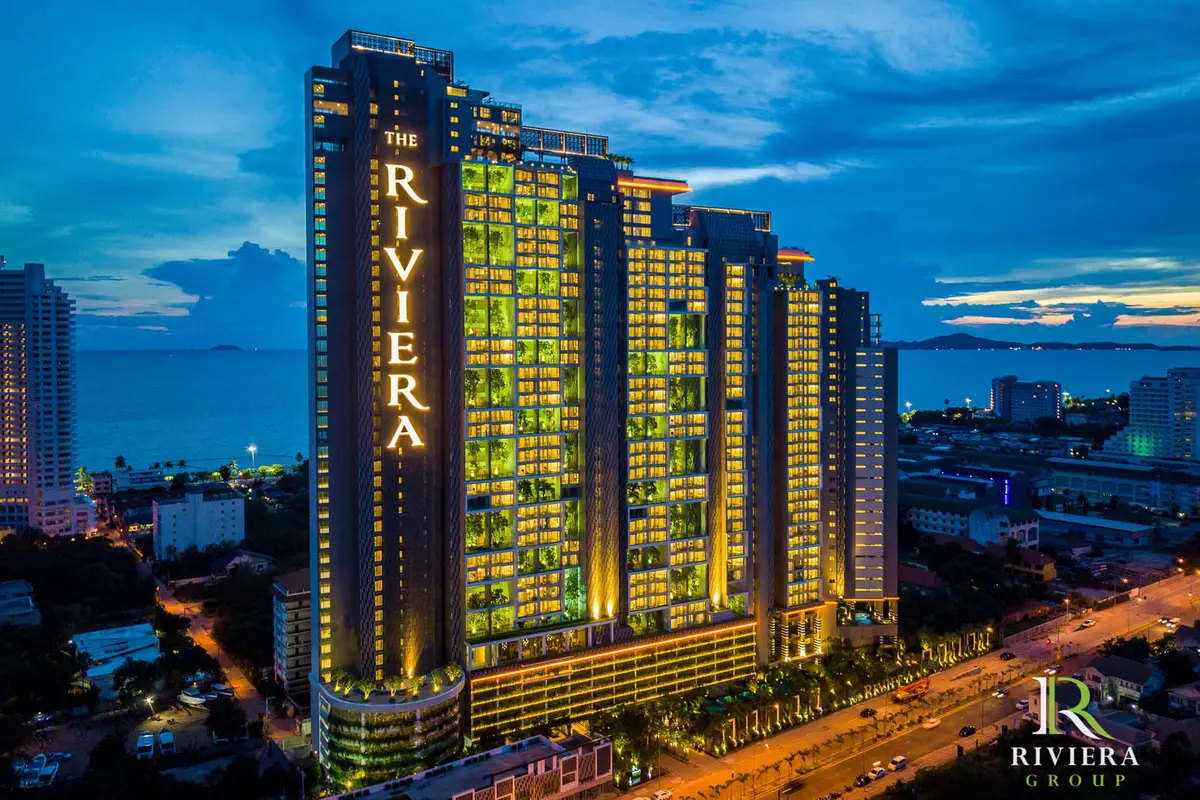
- Size or weight limits: many buildings cap the adult weight of a pet. Limits of around 8–15 kg are common, so small and medium dogs and cats are usually fine and large breeds often are not. Some buildings, for example developments in the Riviera and Reflection families, have published such limits, but always confirm the current figure with the juristic office.
- Number of pets per unit, sometimes tied to the unit size.
- Registration: pets must be registered with the juristic office, usually with a vaccination record or veterinary health certificate, and the registration is often renewed yearly.
- Common areas: leads are required outside the unit. Pets are usually banned from the pool, gym and sauna, and some buildings require pets to use a service lift.
- Liability: owners are responsible for noise, cleaning and any damage.
- Assistance dogs: buildings often make exceptions for guide and service dogs; tell the juristic office in advance.
- Species: farm animals, poultry and dangerous animals are generally not allowed.
How to Verify a Building's Pet Policy Before You Buy
- Ask for the building regulations in writing and read the pet clause yourself, rather than relying on a sales brochure.
- Ask the juristic office whether a change to the pet rules is on the agenda of the next general meeting.
- Look for the infrastructure: a pet lift, a pet zone or dog park, and wash areas are a good sign that pets are part of the building's concept.
- Check the unit: balcony safety, floor type and neighbours all matter for a dog.
- Put it in the contract: for a new build, ask for the pet policy to be referenced in the sale agreement.
For more on picking the right building, see our guides to choosing a condo development and what Pattaya tenants want. Pet-friendly buildings also appeal to a growing group of tenants.

Life With a Pet in Pattaya
- Vets and grooming: Pattaya has a wide choice of veterinary clinics, animal hospitals and grooming salons.
- Beaches and parks: beaches such as Jomtien and Dongtan are popular for dog walks in the early morning and evening. Always follow local signs, and keep in mind that domestic animals are not allowed in national parks.
- Climate: heat is the biggest risk. Walk early or late, avoid hot pavements and keep the air conditioning on for pets left at home.
- Wildlife: watch out for snakes, scorpions and centipedes on overgrown paths.
Bringing Your Pet to Thailand
Import rules are set by the Department of Livestock Development (DLD), and the process and forms are updated from time to time. The main elements are:
- Import permit: apply to the DLD animal quarantine station at your arrival airport before you travel. Check the DLD's current instructions for the application route and documents.
- Health certificate: in English, issued and endorsed by the official veterinary authority of the exporting country.
- Vaccinations: rabies, given at least 21 days before travel and still valid. Dogs typically also need distemper, hepatitis, parvovirus and leptospirosis vaccinations, and cats need feline panleukopenia. Some requirements depend on the country of origin.
- Microchip: strongly recommended, and required by many airlines.
- Age and breed: very young animals cannot be imported, and some breeds, such as pit bull types, are restricted.
Many owners use a specialist pet relocation company, which handles the permit, the airline and the quarantine check on arrival.

Find a Pet-Friendly Condo with Pearl Property
Pearl Property Pattaya knows which buildings genuinely welcome pets. We check the written regulations with the juristic office for you before you commit. Tell us about your pet and your budget or browse condos for sale in Pattaya. We advise in English, German, Thai, French and Chinese.
Related guides
Related articles
- How to Check a Pattaya Condo Building Before You Buy
- How to Own and Run a Pattaya Condo From Abroad: Bills, Tenants, Repairs and Visits for Remote Owners
- What You Should Check Before You Pay Any Deposit on a Pattaya Condo
More in Living in Pattaya
Popular searches: Condos for sale in Pattaya • Houses for sale in Pattaya • Villas for sale in Pattaya • Condos for sale in Jomtien • Condos for sale on Pratumnak Hill • Pool villas for sale in Huai Yai • Pattaya neighborhoods
Published by Pearl Property Pattaya — Thai-German real estate agency in Pattaya since 2015. Advice spoken and written in English, German, Thai, French and Chinese.
Contact: info@pearlpropertypattaya.com • WhatsApp
More articles about Pattaya real estate →